
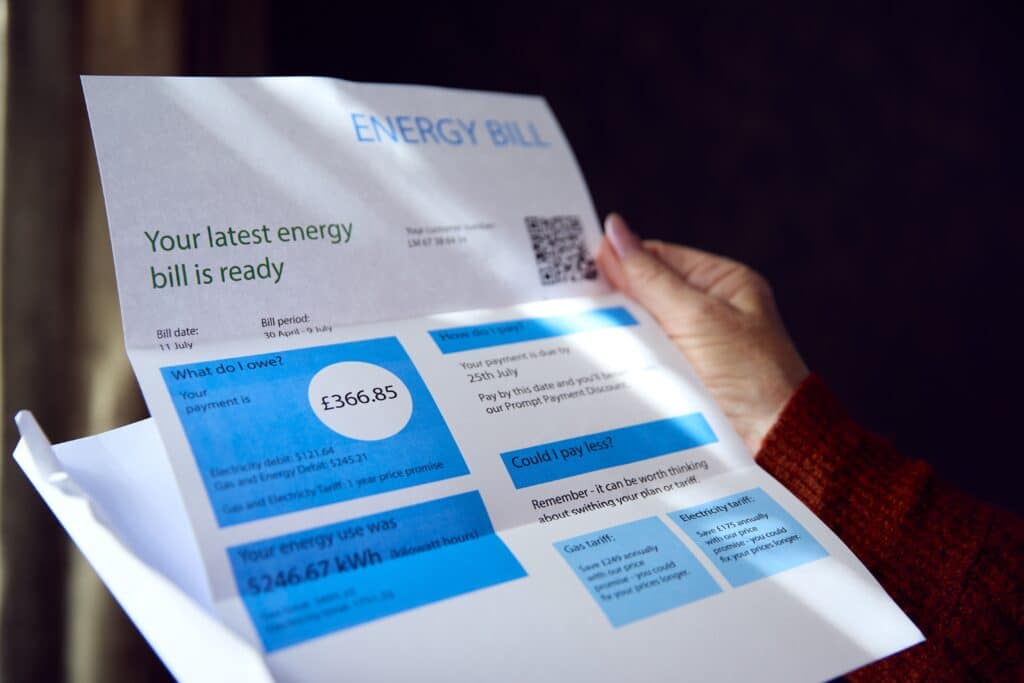

British households are facing an increasingly complex domestic energy market where standard budgeting methods are proving insufficient. Wholesale gas market volatility continues to exert upward pressure on consumer tariffs, meaning that relying on minor behavioral adjustments like turning off lights is no longer enough to offset rising costs. To protect household income, homeowners must adopt a strategic, numbers-driven approach to domestic efficiency that addresses both immediate power drainage and long-term structural heat loss. Implementing a structured array of practical upgrades can permanently alter your household spending pattern, placing control back into the hands of the consumer.
The structure of modern utility billing means that UK property owners are hit with high unit rates alongside rising daily standing charges that remain fixed regardless of energy conservation efforts. Because standing charges are unavoidable, the only viable method for driving down utility bills is to drastically lower the total units of gas and electricity consumed. This requires a forensic look at how energy enters, moves through, and leaves your living spaces. Mastering how to reduce energy bills UK home tips allows you to build a comprehensive defense against unpredictable market spikes.
Achieving true thermal efficiency means transforming your property into a tightly regulated ecosystem where every watt of power is accounted for. Many families inadvertently waste hundreds of pounds annually by heating uninsulated rooms or running appliances on sub-optimal settings. By identifying the primary sources of waste, you can systematically eliminate them to ensure that your monthly outgoings drop substantially. The following deep-dive analysis details the exact operational steps required to secure your home against thermal and electrical drain.
Maximising Thermal Efficiency and Eliminating Structural Energy Losses
The architecture of a typical British home is highly susceptible to heat loss, particularly properties constructed before the introduction of modern building regulations. Without adequate insulation, a house functions like a sieve, allowing expensive warm air to escape into the atmosphere while drawing in cold external air. Statistics show that an uninsulated roof space accounts for roughly 25 per cent of a building’s total heat loss, forcing central heating systems to run continuously to maintain a comfortable temperature. Addressing this single vulnerability should be the first priority for anyone researching how to reduce energy bills UK home tips for their property.
Installing loft insulation to the government-recommended depth of 270 millimetres creates a robust thermal blanket that traps warm air within the living quarters. For homes with cavity walls, injecting professional insulation material prevents an additional thirty-five per cent of heat from escaping through the brickwork. These structural interventions ensure that once your rooms reach the desired temperature, they retain that warmth for hours after the boiler switches off, drastically cutting your raw gas or electricity usage.
Simultaneously, the cumulative impact of minor air leaks around windows, doors, and floorboards can completely undermine expensive insulation projects. Draught-proofing represents one of the most cost-effective methods within the spectrum of how to reduce energy bills UK home tips because it requires minimal capital outlay for immediate returns. Applying durable silicone sealants around window frames and fitting heavy-duty brush strips to the base of external doors prevents cold wind from driving down internal ambient temperatures.
Advanced Heating Configurations and Electrical Waste Suppression
The operational settings of your central heating system play a massive role in determining your annual fuel expenditure. A significant percentage of condensing combi boilers in Great Britain are left at their factory default settings, which usually sets the flow temperature too high. When a boiler operates with a flow temperature above seventy degrees Celsius, it cannot run in its highly efficient condensing mode, causing a substantial amount of energy to escape up the flue pipe.
Lowering your boiler’s central heating flow temperature to sixty degrees Celsius allows the unit to reclaim latent heat from the exhaust gases, boosting efficiency without compromising room comfort. Coupling this adjustment with the installation of thermostatic radiator valves creates a zoned heating network where unused spare rooms can be kept cooler than central living spaces. Making these technical modifications can reduce your annual gas consumption by up to twelve per cent, providing immediate relief to your bank balance.
- Reduce the main room thermostat by exactly one degree to achieve an immediate ten per cent drop in heating fuel consumption.
- Program hot water schedules to align precisely with your household routine rather than keeping the system constantly active.
- Flush older radiator systems to clear out accumulated sludge, ensuring even heat distribution across every room.
Managing electricity consumption requires an equally disciplined approach, specifically regarding the hidden drain of electronic devices left on standby. Entertainment systems, desktop computers, and kitchen appliances continue to draw a steady current of electricity when idle, creating an unnoticeable but continuous financial leak. Turning these devices completely off at the wall plug remains a core component of how to reduce energy bills UK home tips that costs nothing but yields clear, measurable savings on your monthly power statement.
Navigating the Future Landscape of British Utility Consumption
The UK energy grid is undergoing a massive structural evolution that will fundamentally change how domestic energy is bought and sold. The traditional model of uniform, flat-rate pricing is being phased out in favour of dynamic, time-of-use tariffs made possible by the nationwide smart meter infrastructure. These modern tariffs offer significantly cheaper electricity rates during specific off-peak hours, particularly overnight or during periods of high renewable generation across the country.
Adapting to this transition requires consumers to become active managers of their domestic consumption patterns rather than passive buyers of electricity. By shifting heavy electrical tasks, such as running washing machines or charging domestic batteries, to these designated off-peak windows, households can dramatically lower their average unit costs. Those who continue to run high-load appliances during peak evening hours will face increasingly punitive pricing structures as suppliers attempt to manage grid demand.
Investing in minor home automation tools like smart plugs and programmable appliance timers makes this behavioral shift effortless for busy families. By understanding the mechanics of your utility tariff and aligning your daily routines with grid capacity, you can insulate your household budget from future price hikes. Taking control of your power consumption through these advanced strategies is the most reliable way to achieve long-term financial security in an uncertain economic climate.
You may also read: Deep Dive Analysis of Flooring Types That Actually Last