
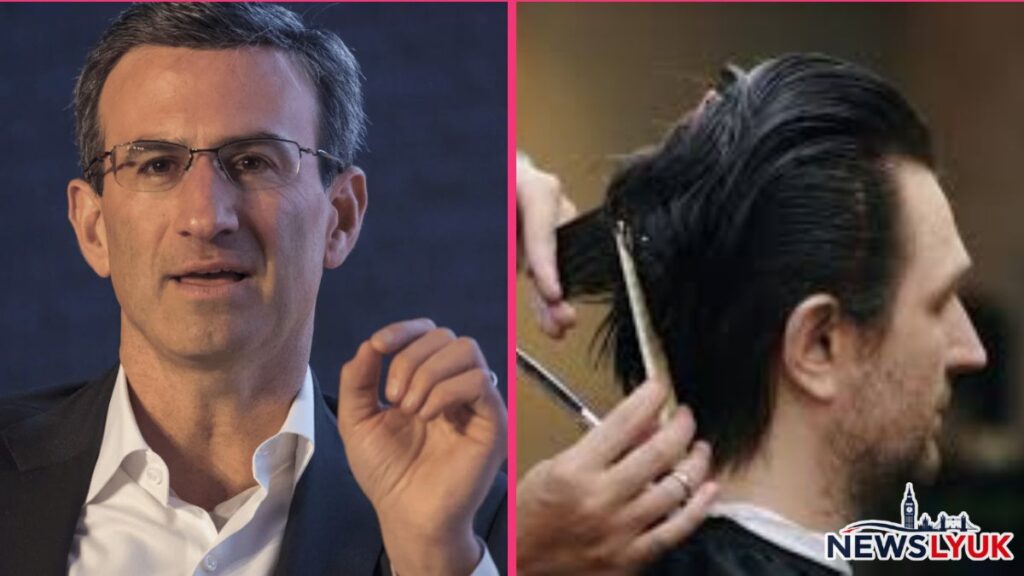

The intersection of high finance, Washington politics, and personal vanity has always fueled the American gossip mill. When a public figure transitions from the sterile offices of government bureaucracy to the high-stakes boardrooms of Wall Street, every detail of their appearance is scrutinized. For years, one peculiar rumor has quietly persisted in political circles and online forums, centered entirely on a prominent economist’s hairline. The phrase peter orszag wig has evolved from a tongue-in-cheek beltway joke into a genuine internet mystery that highlights our cultural obsession with power, aging, and authenticity.
To understand why people are still searching for the truth behind the peter orszag wig, you have to look at the unique trajectory of the man himself. As the former Director of the Office of Management and Budget (OMB) under the Obama administration and the current CEO of Lazard, Peter Orszag has always cut a distinct figure. In a town filled with rumpled suits and safe, uninspired haircuts, his look stood out. It was thick, meticulously styled, and occasionally dark enough to contrast sharply with the standard salt-and-pepper aesthetic of his peers. This distinct look is precisely what triggered the initial wave of speculation among style critics and political commentators alike.
The Origins of Washington’s Favorite Hair Speculation
The rumor mill did not generate the peter orszag wig theory out of thin air. During his time in the public eye, particularly around 2009 and 2010, Orszag was frequently profiled by major news outlets not just for his fiscal policies, but for his active social life and high-profile relationships. When the media began focusing on his status as a rare “bureaucratic celebrity,” commentators naturally started breaking down his aesthetic choices. A highly publicized profile at the time even featured commentary from veteran New York hairpiece designers who openly analyzed his dense, forward-swept hairline, comparing its structural look to mass-manufactured units.
This public analysis cemented the concept of the peter orszag wig in the minds of political junkies. Observers noted that his hair possessed a unique volume and structural uniformity that rarely changed, whether he was testifying before Congress or caught by paparazzi on a casual weekend. In the hyper-critical environment of Washington D.C., any male public figure who maintains an unusually thick or unchanging mane while navigating immense professional stress becomes a prime target for toupee speculation. For Orszag, the narrative stuck because his hair simply looked too perfectly managed to belong to a standard government bean counter.
Decoding the Visual Evidence and Grooming Techniques
When you look closely at the photographic timeline of his career, the evidence driving the peter orszag wig searches becomes a bit more nuanced than a simple case of a poorly fitting hairpiece. Professional groomers and hair restoration experts often point out that what Washington insiders interpreted as a literal “rug” or traditional wig was more likely the result of specific styling choices and modern cosmetic interventions. The uniform density and the distinct way his hair was swept forward created an illusion of a solid piece, which easily fooled the untrained eye into suspecting a complete fabrication.
Furthermore, the industry shift toward advanced hair retention, non-surgical hair grafts, and specialized medical adhesives during the late 2000s meant that public figures no longer wore the easily detectable toupees of the past. If the peter orszag wig is actually a highly sophisticated, bonded hair enhancement system, it explains why it remained completely undisturbed during high-wind outdoor press conferences. The reality of modern male grooming is that high-net-worth individuals have access to subtle blending techniques, high-end colorists, and precision thinning that blur the line between natural growth and cosmetic enhancement completely.
The Power Dynamics of Male Hairlines in High Finance
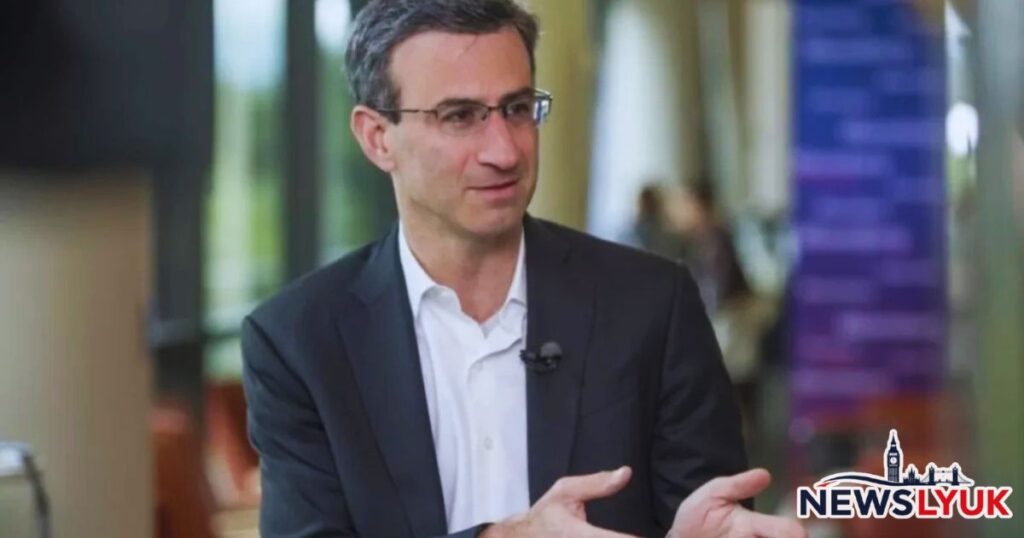
There is a deeper, systemic reason why a search term like peter orszag wig carries so much weight in the American corporate landscape. On Wall Street and in elite political circles, hair is often equated with youth, vitality, and commanding authority. As executives age, the pressure to maintain a sharp, youthful appearance intensifies, driving a multi-million-dollar industry dedicated to hair restoration. When an elite power player appears to completely defy the natural aging process, the public naturally seeks an explanation, wondering if what they are seeing is genuine or carefully manufactured.
For an executive managing billions of dollars in assets, managing personal presentation is viewed as part of the overall brand. Whether Orszag utilizes a state-of-the-art hair system, undergoes regular restoration treatments, or simply possesses incredibly resilient genetics paired with heavy styling product, the persistence of the peter orszag wig rumor proves that the public demands transparency from its leaders—even regarding their grooming habits. Ultimately, the fascination tells us far less about the economist’s actual scalp and far more about our collective fascination with the carefully polished armor of the American elite.
For a visual look at how public figures manage their presentation under intense media scrutiny, you can watch this Fireside Chat with Peter Orszag to see his classic corporate style and presentation mannerisms in a professional setting.
The Anatomy of an Internet Urban Legend
Sorting out the truth behind the online fascination with the peter orszag wig requires separating classic internet amplification from real-world aesthetics. The rumors reached peak intensity when prominent New York hairpiece designers and style columnists began reviewing public photo galleries of the economist. In a widely read profile by the New York Observer, industry experts openly evaluated his hairline, with one legendary Midtown toupee manufacturer going so far as to critique what they called the “furry suitcase” look. These public critiques provided the perfect fuel for political blogs, converting an insider joke into a permanent search trend.
However, the definitive reality of the peter orszag wig debate is deeply rooted in standard Washington theater. In a city where everything from a politician’s lapel pin to their footwear choice is engineered for public consumption, an aggressively dark, heavily styled, and immutable haircut naturally invites skepticism. For a data-driven expert who spent his days focusing on complex medical care metrics and macroeconomics, the sudden focus on his scalp became a masterclass in how modern digital media handles personal branding.
Cosmetic Innovation Versus Traditional Styling Choices
What many beltway observers confidently labeled as a clear peter orszag wig was likely the result of an entirely different grooming phenomenon: the aggressive use of high-hold structural products and modern hair thickening fibers. During the late 2000s and early 2010s, the market for non-surgical hair enhancements, topical densities, and professional color lock-ins surged among aging executives. These advanced styling techniques often rely on dense, forward-swept styling patterns that deliberately eliminate the natural look of a receding hairline, inadvertently creating an artificially uniform appearance under harsh television studio lighting.
When an individual relies on heavy formulas to maintain an unyielding look across long congressional hearings, the hair can easily take on a rigid, solid texture. Experienced media stylists note that this specific look frequently mimics the precise border and weight distribution of a modern, bonded hair system. Because the public rarely sees elite financial figures with a single hair out of place, the assumption instantly shifts toward a physical toupee, reinforcing the peter orszag wig myth every time he appears at a high-profile corporate summit or international forum.
Cultural Capital and the Obsession With Corporate Appearance
The enduring fascination with the peter orszag wig speaks volumes about the shifting standards of appearance within corporate America and global finance. Historically, baldness or natural thinning was seen as a sign of mature leadership in Washington and Wall Street. However, the modern media ecosystem places immense premium on an image of timeless executive energy. For a CEO or high-level advisor, maintaining a full head of dark hair is frequently viewed as a subtle indicator of competitiveness, directly influencing how the public and shareholders perceive their drive and endurance.
This structural pressure makes any perceived deviation from natural hair growth a focal point for intense public commentary. The ongoing fixation with the peter orszag wig confirms that the public views executive grooming as a carefully orchestrated performance. Whether an individual relies on elite genetics, precision medical treatments, or a high-end hair system, the broader narrative shows that the public remains hyper-vigilant about the authenticity of the people holding the levers of financial and political power.
Frequently Asked Questions About the Rumor
Why do people think Peter Orszag wears a wig?
The widespread belief stemms from the distinct volume, structural uniformity, and dark color of his hair during his time as the OMB Director under the Obama administration. Political bloggers and professional hairpiece designers publicly analyzed his look, pointing out that his dense, forward-swept styling gave the impression of a fixed cosmetic piece.
Has Peter Orszag ever publicly addressed the hair rumors?
No, he has never formally acknowledged or commented on the online speculation regarding his hair. Throughout his high-profile transitions from the White House to major financial roles at Citigroup and Lazard, he has kept his focus strictly on fiscal policy, global market strategies, and corporate leadership.
What grooming techniques can make natural hair look like a wig?
High-hold structural gels, professional hair-thickening fibers, and uniform dark dyes frequently create a solid appearance that mimics a hair system. When hair is swept forward consistently to mask natural thinning, it eliminates the variance of a typical hairline, often confusing the public into suspecting a toupee.
Is hair loss common among high-stress political and financial executives?
Yes, androgenetic alopecia is frequently accelerated or exacerbated by chronic high stress, poor sleep patterns, and intense professional pressure. Because of this reality, a multi-million-dollar industry exists specifically to provide elite executives with advanced, non-surgical hair restoration systems, precision transplants, and specialized styling.
How do modern hair systems differ from traditional wigs?
Traditional wigs or older toupees were mass-manufactured units that sat loosely on the scalp and were easily displaced. Modern hair systems use advanced medical adhesives to bond high-quality human hair directly to a breathable lace base matched to the individual’s scalp, allowing the wearer to swim, shower, and exercise without detection.
You May Also Read: Sound tuning trends in 2024: what’s changed and why it matters