
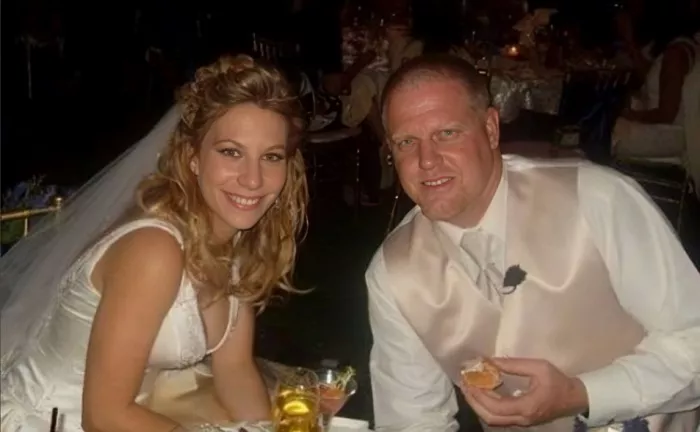

A Public-Interest Profile Shaped by Reality TV Adjacency
Brahman Galanti entered the public record not as a career entertainer or media figure, but through proximity to one of cable television’s most recognizable families. During the peak years of Dog the Bounty Hunter, the Chapman family became a fixture in American pop culture, their personal lives often intersecting with their on-screen narratives. It is within that broader context that brahman galanti first drew attention—primarily through his marriage to Lyssa Chapman, daughter of Duane “Dog” Chapman.
Unlike personalities who actively cultivate a public image, brahman galanti has remained largely defined by documented events rather than media appearances or interviews. This distinction matters. It means the available information about him is rooted in court filings, marriage records, and reporting from established outlets, rather than self-promotion or social media storytelling. For readers trying to understand his place in the public sphere, the absence of a curated persona makes the timeline itself the most reliable guide.
The interest in brahman galanti persists because his story intersects with larger themes familiar to viewers of reality television: early fame, family pressure, and the strain of public scrutiny on private relationships. While his name may not headline major productions, the circumstances surrounding his marriage and legal history have kept him in search results and public curiosity cycles for years. That makes a careful, factual reconstruction of events not just useful, but necessary.
The Chapman Family Era and Cultural Context
To understand why brahman galanti became a subject of public interest, it helps to revisit the media environment of the early and mid-2000s. Dog the Bounty Hunter was more than a niche reality show; it tapped into a broader American fascination with law enforcement, redemption narratives, and family dynamics. The Chapman household, with its mix of personal conflict and professional collaboration, became part of that appeal.
Lyssa Chapman, often referred to as “Baby Lyssa,” grew up in front of cameras. Her personal milestones—relationships, motherhood, and legal challenges—were covered with a level of visibility unusual for someone so young. When she married brahman galanti, that relationship was inevitably pulled into the same orbit. Their union was not simply a private commitment; it became, in part, a public storyline shaped by the audience’s familiarity with the Chapman family.
This context is essential because it explains the intensity of attention that followed. A marriage involving a member of a widely recognized TV family carries different expectations and scrutiny than one outside that spotlight. In the case of brahman galanti, the public record reflects how quickly personal matters can become widely discussed when connected to a media brand. It also underscores how reality television, even when unscripted, creates a lasting archive that frames how individuals are perceived long after the cameras stop rolling.
Marriage Timeline and Documented Milestones
The most verifiable chapter in the story of brahman galanti centers on his marriage to Lyssa Chapman. Public records indicate that the couple married in 2009, a period when Lyssa was still closely associated with the Chapman family’s television presence. At the time, the marriage drew attention both because of her public profile and because of the relatively young age at which she entered into the union.
Within a short span, reports began to surface describing difficulties in the relationship. By 2011, the marriage had formally ended in divorce. Court filings and reporting from established media outlets point to allegations of domestic conflict and legal issues involving brahman galanti, which became part of the public narrative surrounding the separation. These are not details drawn from rumor; they are tied to documented proceedings and coverage that followed the case.
The timeline is relatively brief but significant. A marriage lasting roughly two years, unfolding under public scrutiny, often compresses personal developments into a highly visible arc. For brahman galanti, this period effectively defines his presence in the public record. Unlike figures who remain in the spotlight through ongoing projects or media engagement, his name resurfaces primarily in connection with this documented relationship and its aftermath.
Legal Records and Public Documentation

Any objective account of brahman galanti must address the legal record, as it forms a substantial portion of what is publicly known. Various reports over the years have referenced arrests and legal proceedings tied to charges involving domestic incidents and substance-related issues. These details, while sensitive, are part of the verifiable record and have been cited in multiple reputable sources.
It is important to approach this aspect with precision and restraint. Legal records document allegations, charges, and outcomes; they do not always capture the full context of personal circumstances. However, they do provide a factual framework that distinguishes confirmed events from speculation. In the case of brahman galanti, that framework is central to understanding why his name continues to appear in discussions related to the Chapman family’s extended narrative.
The persistence of these records in public databases also explains the enduring search interest. When individuals are connected to high-profile families and have documented legal histories, those elements tend to anchor their digital footprint. For readers seeking clarity, separating verified information from exaggerated claims is essential. The available evidence regarding brahman galanti is finite but clear enough to outline the key events without resorting to conjecture.
Media Coverage, Public Perception, and Lasting Interest
Media coverage of brahman galanti has followed a predictable pattern: initial attention during the marriage, heightened reporting during the divorce and legal proceedings, and intermittent references in retrospective pieces about the Chapman family. This type of coverage often creates a simplified narrative, where complex personal histories are reduced to a handful of headline events.
Public perception, shaped by that coverage, tends to focus on the most dramatic elements. Yet a closer reading of the record shows a more nuanced picture—one defined by a brief but highly visible relationship, followed by legal challenges that kept his name in circulation. For brahman galanti, the lack of ongoing public engagement means that these past events continue to define his profile, rather than being balanced by new developments or personal statements.
The continued interest also reflects a broader trend in how audiences revisit reality TV figures. Years after a show’s peak, viewers often search for updates on people connected to it, especially when those individuals were involved in notable or controversial moments. In that sense, brahman galanti remains part of a larger cultural archive tied to the Chapman family’s television era.
This enduring curiosity highlights a key reality of modern media: even limited public exposure can create a lasting digital identity. For individuals like brahman galanti, that identity is shaped less by ongoing visibility and more by the permanence of documented events.
Life After the Divorce and the Limits of Public Visibility
After the 2011 divorce, the public trail surrounding brahman galanti becomes notably thinner. Unlike many individuals who remain tethered to media attention through interviews, social media, or new professional ventures, he has largely receded from the spotlight. That absence is itself revealing. It suggests a life that, at least in public terms, moved away from the orbit of reality television and into a more private sphere.
What remains are scattered references in public databases and occasional mentions in retrospective coverage about the Chapman family. These fragments do not form a continuous narrative; instead, they underscore how limited the available information is once the primary, documented events conclude. For readers, this creates a challenge: distinguishing between what can be verified and what has simply been repeated across low-quality sites without new evidence.
The case of brahman galanti illustrates a broader pattern seen with peripheral figures in reality-TV ecosystems. Their visibility often peaks during a specific relationship or storyline and then diminishes sharply. Without ongoing public engagement, the record freezes in time. That is why careful sourcing matters. It prevents outdated or unverified claims from being treated as current fact and respects the boundary between documented history and speculation.
The Role of Public Records in Shaping a Narrative
Public records are often treated as definitive, but they tell only part of any story. In the case of brahman galanti, they form the backbone of what can be responsibly reported: marriage certificates, divorce filings, and documented legal proceedings. These records provide dates, outcomes, and, in some cases, allegations that were formally addressed through the legal system.
At the same time, records are inherently limited. They rarely capture the personal context behind events or the full complexity of relationships. For readers seeking a deeper understanding of brahman galanti, it is important to recognize that absence of information does not equal absence of experience—it simply reflects the boundaries of what is publicly accessible and verifiable.
This distinction is central to responsible reporting. Treating public records as a foundation, rather than a complete biography, helps maintain accuracy without overreach. It also reinforces a key principle: individuals connected to public figures do not automatically forfeit their right to privacy beyond what has been officially documented. In the case of brahman galanti, the available record is clear but finite, and it should be presented within those limits.
Reality Television, Secondary Figures, and Digital Permanence
The story of brahman galanti fits into a larger conversation about how reality television shapes long-term public identity. Shows like Dog the Bounty Hunter created a vast network of recognizable names—not just the central cast, but also partners, relatives, and acquaintances who appeared briefly or were mentioned in connection with key storylines. For many of these individuals, even a short period of exposure resulted in a lasting digital footprint.
What distinguishes brahman galanti is that his visibility was tied almost entirely to a personal relationship rather than a recurring on-screen role. Yet the impact is similar. Search engines, archival articles, and aggregated content have preserved his name alongside specific events, effectively creating a permanent association that can be revisited years later.
This permanence raises important questions about how audiences interpret past information. Without context, older reports can appear current, and isolated incidents can seem more representative than they are. For readers researching brahman galanti, understanding the timeline is critical. It places events in their proper frame and prevents outdated narratives from being mistaken for ongoing developments.
Why the Name Continues to Generate Search Interest
Search interest in brahman galanti has remained steady over time, driven largely by ongoing curiosity about the Chapman family and their extended network. When viewers revisit episodes or encounter updates about the family, related names often resurface in search queries. This pattern is common in the digital age, where past media exposure continues to influence present-day attention.
Another factor is the nature of the documented events themselves. Marriage, divorce, and legal proceedings are inherently public matters, and when they involve individuals connected to a well-known television family, they attract sustained interest. In the case of brahman galanti, the combination of a high-profile association and a concise, well-documented timeline makes his story easy to revisit and summarize—qualities that tend to reinforce visibility in search results.
It is also worth noting that much of the existing online content about brahman galanti varies widely in quality. Some sources rely heavily on repetition or unverified claims, which can obscure the factual record. This is where careful, source-based reporting adds value. By focusing on what is known and avoiding unsupported assertions, it provides a clearer and more trustworthy account for readers seeking accurate information.
FAQs About Brahman Galanti
Who is brahman galanti?
brahman galanti is primarily known through public records related to his marriage to Lyssa Chapman, daughter of Duane “Dog” Chapman. His presence in the public sphere is tied to that relationship and the documented events surrounding it.
When did brahman galanti marry Lyssa Chapman?
Public records show that brahman galanti married Lyssa Chapman in 2009, during a period when she was widely recognized for her role in the Chapman family’s reality-TV presence.
How long did the marriage last?
The marriage between brahman galanti and Lyssa Chapman ended in divorce in 2011, lasting approximately two years according to documented filings.
Are there legal records involving brahman galanti?
Yes. Various reports have cited legal proceedings involving brahman galanti, including cases related to domestic incidents and other charges. These details are based on public documentation and media coverage from the time.
What is known about brahman galanti today?
There is limited recent public information about brahman galanti. After the divorce and related legal matters, he has largely remained out of the public spotlight, with no widely reported updates in recent years.
Why is brahman galanti still searched online?
Search interest in brahman galanti persists بسبب his connection to the Chapman family and the documented timeline of his marriage and legal history, which continue to be referenced in discussions about the reality-TV era.
You May Also Read: The Evolution to Cable News and Media Prominence