
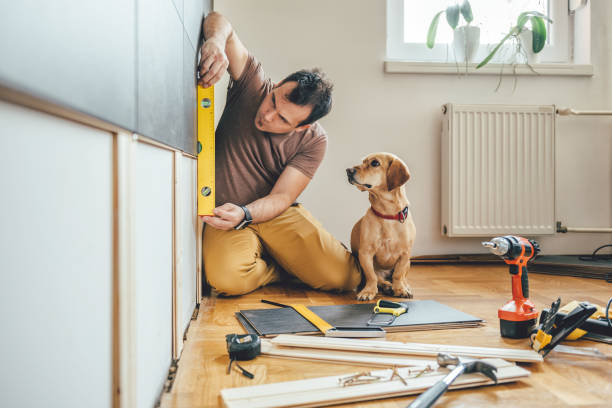

The cost-of-living squeeze across the UK has quietly reshaped how households deal with everyday maintenance. Instead of reaching for the phone, many are reaching for a toolbox. A dependable DIY small home repairs UK guide is no longer a niche interest—it has become a practical survival skill for homeowners trying to keep costs under control without compromising safety.
Small faults rarely stay small for long. A loose tap, a hairline crack, or a slow drain can escalate into a far more expensive issue if ignored. That is why a well-informed DIY small home repairs UK guide matters now more than ever. It equips homeowners with the knowledge to act early, make sensible decisions, and avoid unnecessary spending while staying within legal and safety boundaries.
There is, however, a clear distinction between sensible DIY and risky improvisation. While simple jobs are well within reach, certain tasks demand professional oversight. The most effective approach lies in understanding where that line sits—and working confidently within it.
Understanding the DIY Small Home Repairs UK Guide in Today’s Housing Climate
The modern UK housing stock presents a unique challenge. Many properties, particularly those built before the 1980s, come with ageing plumbing, outdated wiring, and hidden structural quirks. A well-rounded DIY small home repairs UK guide helps homeowners navigate these realities without causing further damage.
Basic repairs form the backbone of DIY. These include patching wall holes, tightening fixtures, resealing bathrooms, and addressing minor leaks. Each task may seem minor on its own, yet together they represent the majority of everyday home maintenance. Learning these skills reduces reliance on trades and builds long-term confidence.
A few practical starting points often highlighted in a DIY small home repairs UK guide include:
- Fixing small wall cracks with filler and sanding for a smooth finish
- Unblocking sinks using a plunger or simple drain tools
- Replacing worn handles, hinges, or fittings
- Mounting shelves safely using correct wall anchors
These are not complex jobs, but they require patience and attention to detail. Measuring accurately, preparing surfaces properly, and using the right fixings can mean the difference between a professional-looking result and a repair that fails within weeks.
Equally important is understanding the legal framework. UK Building Regulations set clear limits on what homeowners can do themselves. Electrical work, major plumbing alterations, and structural changes often require certification or professional involvement. Ignoring these rules can lead to fines, insurance complications, or even safety hazards.
Deep Dive into DIY Small Home Repairs UK Guide Techniques and Safety

A closer reading of any serious DIY small home repairs UK guide reveals that success is built on technique rather than strength or speed. The most common mistakes happen when homeowners rush, skip preparation, or use the wrong tools.
Take drilling into walls, for example. It is one of the most frequent DIY tasks, yet it carries hidden risks. Pipes and electrical cables often run behind surfaces in predictable patterns. Failing to check before drilling can lead to costly and dangerous damage. Using a detector and marking safe zones is a basic but essential habit.
Another core area is tool use. A modest toolkit—hammer, screwdrivers, drill, spirit level, and measuring tape—covers most household repairs. Having the right tool at hand reduces frustration and prevents damage caused by improvisation. Keeping tools organised also allows repairs to be completed quickly and efficiently.
Safety remains the defining factor in every DIY small home repairs UK guide. Protective gear such as gloves, goggles, and masks should never be treated as optional extras. Adequate ventilation is essential when working with paints or chemicals, and even routine tasks can lead to injury without basic precautions.
Electrical work deserves particular caution. In UK homes, DIY mistakes account for a significant share of serious electric shocks. Turning off power at the consumer unit, checking circuits are dead, and using safety devices like RCDs are essential steps before any work begins.
A few safety-first principles worth following:
- Always isolate power before touching electrical components
- Never drill without checking for hidden pipes or cables
- Use proper protective equipment for every task
- Stop immediately if unsure and seek professional advice
The Future Impact of the DIY Small Home Repairs UK Guide Trend
The rise of DIY is not just a short-term response to rising costs; it reflects a broader shift in how homeowners interact with their properties. The DIY small home repairs UK guide is becoming a long-term reference point rather than a one-off solution.
One clear impact is the growing confidence among homeowners. People who understand basic maintenance are quicker to act when problems arise. They can identify early warning signs such as damp patches, loose fittings, or unusual noises and address them before they escalate into serious issues. Regular checks around sinks, bathrooms, and loft spaces are now becoming routine habits.
There is also a financial shift taking place. By handling smaller jobs independently, homeowners can reserve professional services for more complex or regulated work. This balance not only saves money but ensures that critical repairs are handled correctly, preserving both safety and property value.
Another noticeable trend is the changing perception of DIY itself. It is no longer seen as a last resort but as a practical life skill. From painting and decorating to simple carpentry, many tasks are now viewed as part of normal homeownership rather than specialist work.
Looking ahead, the influence of the DIY small home repairs UK guide is likely to grow even further. As tools become more accessible and information more widely available, homeowners will continue to take a more active role in maintaining their properties—provided they remain mindful of safety and regulation.
Final Thoughts
A reliable DIY small home repairs UK guide offers more than instructions; it provides a framework for making smarter decisions about your home. It encourages early action, careful planning, and respect for safety limits.
Those who approach DIY with patience and preparation often find that even small improvements bring lasting benefits. Not only in reduced costs, but in confidence and control over their living space. In a time where every expense is scrutinised, that sense of control carries real value.
You may also read: Navigating the Future Landscape of British Utility Consumption