
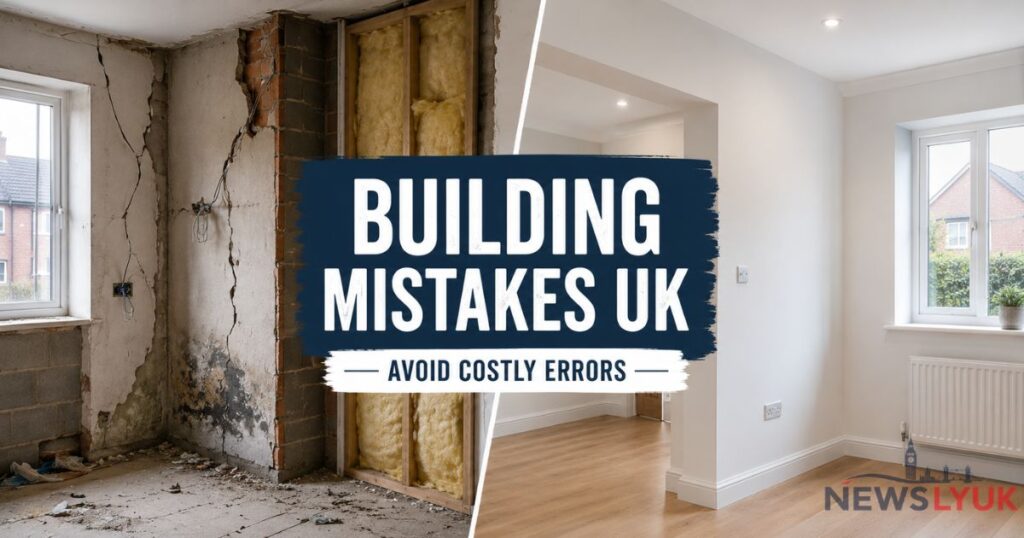

Building or renovating a home is a big investment, but many people still face problems due to simple errors. Understanding common building mistakes in UK homes can help you avoid stress, save money, and protect your property. These mistakes often happen during construction, repairs, or even small DIY projects.
In the UK, weather conditions, older buildings, and poor planning all play a role in construction issues. Many homeowners are not aware of these mistakes until serious damage appears. That is why learning about common building mistakes in UK homes is important for both new and existing properties.
This guide will explain what building mistakes are, why they happen, and how to avoid them. You will also learn about costs, warning signs, and practical tips to keep your home safe and strong.
What are building mistakes?
Building mistakes are errors made during the design, construction, or repair of a property. These mistakes can be small, like uneven paint, or serious, like weak foundations. Even a small mistake can lead to bigger problems over time if not fixed properly.
In simple terms, building mistakes happen when work is not done correctly or safely. This may be due to lack of experience, poor materials, or rushing the job. In many cases, these errors are not visible straight away but appear months or years later.
Understanding building mistakes is the first step in avoiding them. When you know what can go wrong, you can take better decisions and ensure your home is built or repaired the right way.
Why building mistakes are common in UK homes
There are many reasons why common building mistakes in UK homes happen so often. One major reason is the age of many UK properties. Older homes may not meet modern standards, which makes repairs more difficult and increases the chance of mistakes.
Another reason is the UK climate. Frequent rain, cold weather, and damp conditions can affect building materials and construction quality. If proper precautions are not taken, issues like damp and insulation problems can easily develop.
Lack of skilled labour and poor planning also play a role. Some builders rush projects to save time or money, which leads to poor workmanship. In DIY projects, homeowners may not have enough knowledge, resulting in avoidable mistakes.
Risks and problems caused by poor construction
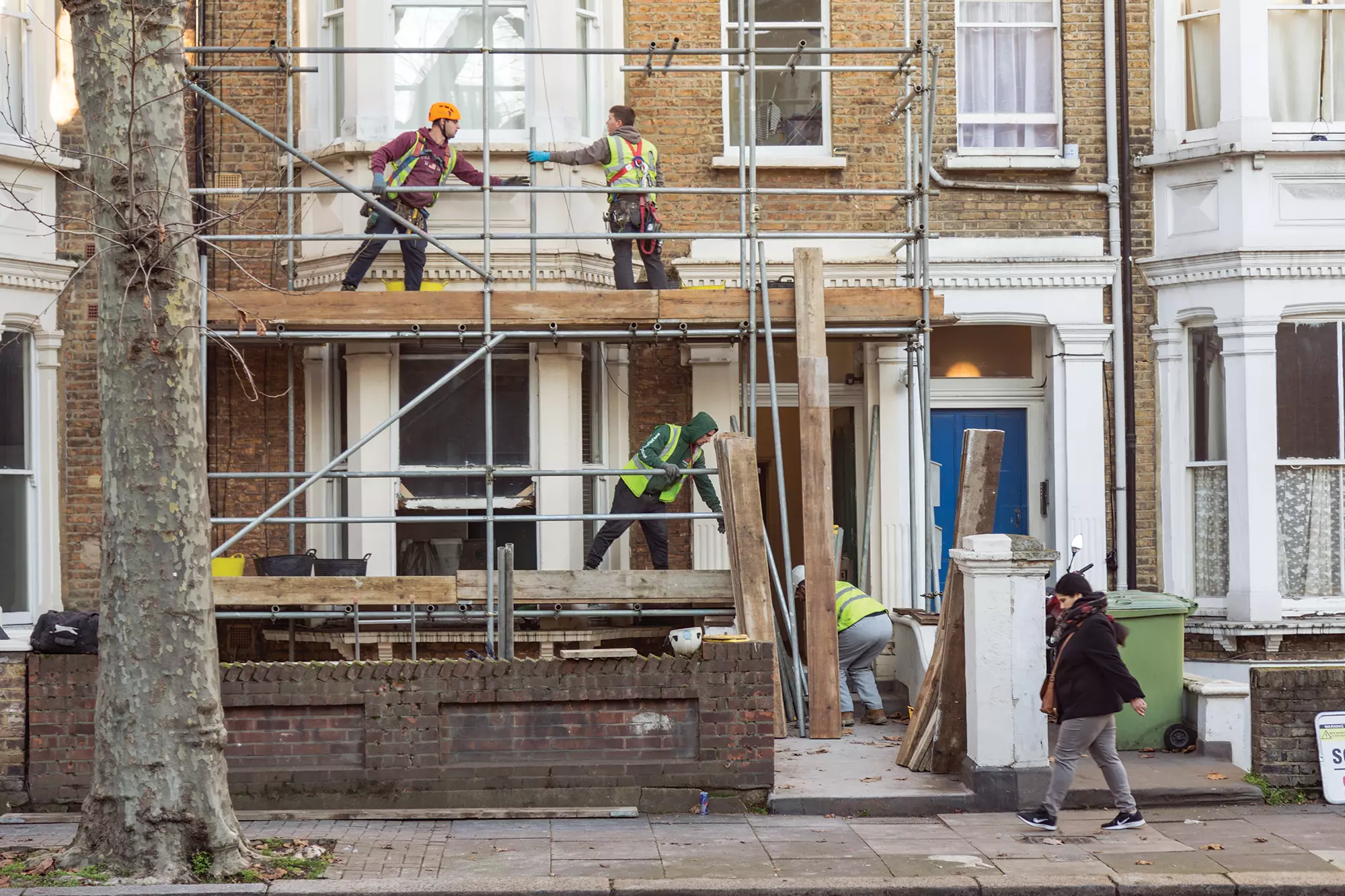
Poor construction can lead to serious risks for both your home and your health. Structural problems, such as weak foundations or cracked walls, can make a building unsafe. These issues often require expensive repairs and can reduce the value of your property.
Damp and mould are also common problems caused by poor construction. These can affect indoor air quality and lead to health issues like allergies or breathing problems. Poor insulation can increase energy bills, making your home more expensive to run.
Here are some common risks:
- Structural damage and cracks
- Damp and mould growth
- Higher energy bills
- Electrical safety hazards
Understanding these risks highlights why avoiding common building mistakes in UK homes is so important.
Most common building mistakes in UK homes
There are several common building mistakes in UK homes that appear again and again. One of the biggest issues is poor insulation. Without proper insulation, homes lose heat quickly, leading to high energy bills and uncomfortable living conditions.
Damp problems are another major issue. Poor waterproofing, blocked gutters, or lack of ventilation can all lead to damp walls. This not only damages the property but also creates unhealthy living conditions.
Other common mistakes include weak foundations, bad electrical wiring, and poor ventilation. These issues can cause long-term damage and may require professional repairs.
Examples include:
- Poor insulation and heat loss
- Damp and water leaks
- Weak or unstable foundations
- Faulty wiring systems
- Lack of proper ventilation
Knowing these examples helps you identify and avoid common building mistakes in UK homes.
Signs of poor construction quality
It is important to recognise the signs of poor construction early. This can help you fix problems before they become serious and expensive.
One common sign is visible cracks in walls or ceilings. These may indicate structural problems or poor workmanship. Uneven floors, doors that do not close properly, and gaps in windows are also warning signs.
Other signs include damp patches, mould growth, and peeling paint. Electrical issues like flickering lights or faulty sockets can also point to poor construction work.
Key signs to watch:
- Cracks in walls or ceilings
- Damp patches or mould
- Uneven floors or walls
- Faulty wiring or sockets
Spotting these signs early can help you deal with common building mistakes in UK homes before they worsen.
How to avoid building mistakes in UK homes
Avoiding building mistakes requires proper planning and careful work. One of the best ways is to hire experienced and qualified professionals. Skilled builders are more likely to follow correct standards and avoid common errors.
It is also important to use high-quality materials. Cheap materials may save money at first but often lead to bigger problems later. Always check that materials meet UK building standards.
Regular inspections during construction or renovation can also help. This allows you to catch mistakes early and fix them before they become serious.
Helpful tips:
- Hire qualified builders
- Use quality materials
- Inspect work regularly
- Follow building regulations
By following these steps, you can reduce the risk of common building mistakes in UK homes.
Cost of fixing building mistakes in the UK
The cost of fixing building mistakes can vary depending on the severity of the problem. Small issues are usually easy and affordable to fix, while major problems can be very expensive.
Minor repairs like fixing cracks or repainting walls may cost between £100 and £500. Medium repairs, such as fixing damp or insulation issues, can cost between £500 and £2,000.
Major repairs, such as structural fixes or rewiring, can cost £2,000 to £10,000 or more. These costs show why it is better to avoid mistakes in the first place.
Cost overview:
- Small fixes: £100–£500
- Medium repairs: £500–£2,000
- Major repairs: £2,000–£10,000+
Understanding these costs helps you take common building mistakes in UK homes more seriously.
FAQ
What is the most common building mistake in the UK?
The most common mistake is poor insulation and damp issues. These problems are often caused by poor ventilation and low-quality materials.
How can I check construction quality?
You can check for signs like cracks, damp, uneven surfaces, and faulty wiring. Hiring a professional inspection can also help ensure quality.
Are building mistakes expensive to fix?
Yes, some mistakes can be very costly, especially structural issues. Fixing problems early is always cheaper than waiting.
Conclusion
Understanding common building mistakes in UK homes is key to protecting your property and avoiding unnecessary costs. These mistakes can happen during construction, renovation, or even simple repairs, but they can lead to serious problems if ignored.
By learning the common issues, spotting early warning signs, and taking preventive steps, you can ensure your home remains safe, strong, and comfortable. Whether you are building a new home or improving an old one, knowledge is your best tool.
In the end, avoiding common building mistakes in UK homes is not just about saving money—it is about creating a better and healthier place to live.
You may also read: Signs of damp walls