
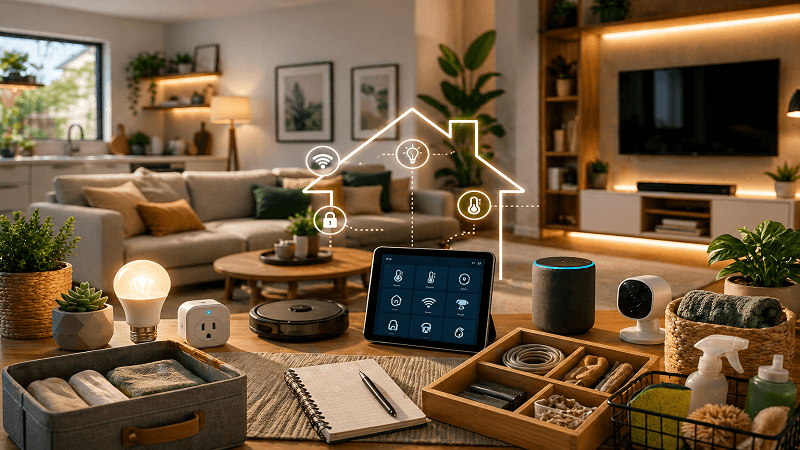

Homeowners today are searching for the perfect intersection of sophisticated interior design and modern automation, which is where the concept of home hacks decoradtech comes into play. By blending aesthetic appeal with smart home functionality, you can elevate your living space without committing to expensive and messy structural renovations. This modern design movement focuses on subtle upgrades, low-cost modifications, and invisible technology integration that works seamlessly in any American household. Whether you are renting a small apartment in New York or owning a suburban home in Texas, these strategies will revolutionize your daily living.
Achieving a polished look that also functions with cutting-edge efficiency requires a strategic approach to selecting smart devices and decor materials. Standard smart home setups often look cold and industrial, but the philosophy behind home hacks decoradtech changes that narrative completely. By choosing design-forward gadgets and using creative styling tricks, you can create a space that feels warm, inviting, and incredibly futuristic all at once. In this comprehensive guide, we will explore the best techniques, estimated costs, and structural considerations for implementing these changes effectively.
Integrating Smart Technology Seamlessly Into Your Modern Interior Design
Integrating smart technology into your modern interior design means embedding devices like automated lighting, motorized shades, and hidden screens so they complement your visual theme. The primary secret of home hacks decoradtech is using invisible tech, such as mounting a flush-framed television that displays classic artwork when turned off. Additionally, you can utilize peel-and-stick adhesive curtain tracks to install motorized floor-to-ceiling drapery, instantly making your ceilings look taller while automating your natural sunlight.
Another major component of this approach involves utilizing low-profile smart sensors and wireless control pads that blend into your wall colors. Instead of having clunky thermostat panels and security cameras disrupting your sightlines, modern aesthetic options allow you to match device covers with your paint. Placing water leak detectors discreetly under sinks and choosing sleek, app-enabled LED bulbs for your existing designer lamps ensures you maintain full functionality without cluttering your surfaces.
Estimated USD Budget Breakdowns for High-Tech Home Upgrades
A common misconception is that blending technology with high-end decor requires a massive financial investment or professional installation labor. In reality, implementing budget-friendly home hacks decoradtech can cost anywhere from fifty dollars to one thousand dollars depending on the scale of your project. For instance, basic smart lighting upgrades utilizing high-quality LED bulbs usually run between twenty and fifty dollars per room. Adding motorized curtain rods or smart blinds generally costs between one hundred and three hundred dollars, making it an affordable luxury.
If you want to invest in larger statement pieces, such as a premium frame television or an integrated multi-room audio system, your budget might expand to fifteen hundred dollars or more. However, the beauty of these modern hacks is that they can be completed incrementally, allowing you to prioritize the rooms you use most. By skipping expensive contractor fees and focusing on user-friendly DIY devices, US homeowners can save thousands of dollars while still achieving a highly customized, luxury aesthetic.
Aesthetic Cable Management and Network Privacy Solutions for Tech Decor

One of the most significant challenges of merging electronics with interior design is managing the chaotic tangle of cords that comes with smart devices. To successfully pull off home hacks decoradtech, you must implement strategic cable management solutions like paintable cord covers, hollow furniture legs, and under-desk mounting brackets. Hiding power strips inside decorative wooden boxes or running cords through the wall using code-compliant in-wall cable routing kits will instantly elevate your space from amateur to professional.
Alongside physical aesthetics, maintaining a secure and reliable wireless network is a critical safety aspect that many homeowners overlook. As you introduce more smart gadgets to your decor, it is essential to establish a secondary guest network solely for your internet-of-things devices. This step protects your personal data on your primary computers and phones from potential security breaches. Additionally, ensuring your main router is centrally located and hidden inside a breathable, non-metallic decorative cabinet keeps your signal strong without ruining your hallway design.
Comparing the Advantages and Disadvantages of Smart Home Automation
There are numerous distinct advantages to adopting a smart home strategy, chief among them being unparalleled convenience, enhanced security, and significant energy savings. Automated systems allow you to schedule lighting and heating around your daily routine, ensuring you never waste electricity when you are away from the house. Furthermore, smart sensors can alert you to potential disasters like water leaks or fire hazards in real-time, potentially saving you thousands of dollars in emergency repairs.
Despite these clear benefits, there are some minor disadvantages to consider when integrating technology so deeply into your living space. Smart devices require stable internet connections to function optimally, and occasional software updates or system glitches can temporarily disrupt your daily routines. Additionally, some users experience a steep learning curve when configuring multiple device ecosystems, which is why sticking to intuitive platforms like Apple Home, Google Home, or Amazon Alexa is highly recommended.
Achieving a Seamlessly Automated Living Room Without Major Renovations
Transforming your main living area does not require tearing down drywall, hiring expensive electricians, or dealing with stressful local building permits. You can achieve a completely automated living room by focusing on simple, non-permanent upgrades that instantly refresh the environment. Start by replacing your standard wall switches with smart wireless dimmers, which can be easily programmed to adjust the lighting based on the time of day or your current activity.
To complete this transformation, consider adding a smart robotic vacuum that docks discretely beneath a piece of custom furniture, keeping it out of sight when not in use. You can also use museum gel to secure your favorite decorative vases and sculptures on shelves, ensuring they stay safe while your automated devices clean or move around the room. These easy, temporary modifications make home hacks decoradtech the perfect option for renters and temporary occupants who want a premium home experience.
Frequently Asked Questions About High-Tech Home Styling
Many homeowners wonder if smart home gadgets will quickly become outdated and ruin their carefully curated interior design themes. Fortunately, most modern smart decor products are designed with software upgradability in mind, meaning their internal systems improve while their physical appearance remains timeless. By choosing classic materials like wood, metal, and glass for your visible tech enclosures, you can ensure your home stays stylish for many years to come.
Another frequent question is whether these automated upgrades will genuinely add value to a property when it comes time to sell. Real estate experts agree that integrated smart technology, especially energy-efficient lighting and smart climate controls, appeals greatly to modern buyers and can increase marketability. When you combine these functional upgrades with beautiful, clean interior styling, you create a highly attractive package that stands out in the competitive US housing market.
You May Also Read: Career Journey: Theater, Production, and Hollywood Work