
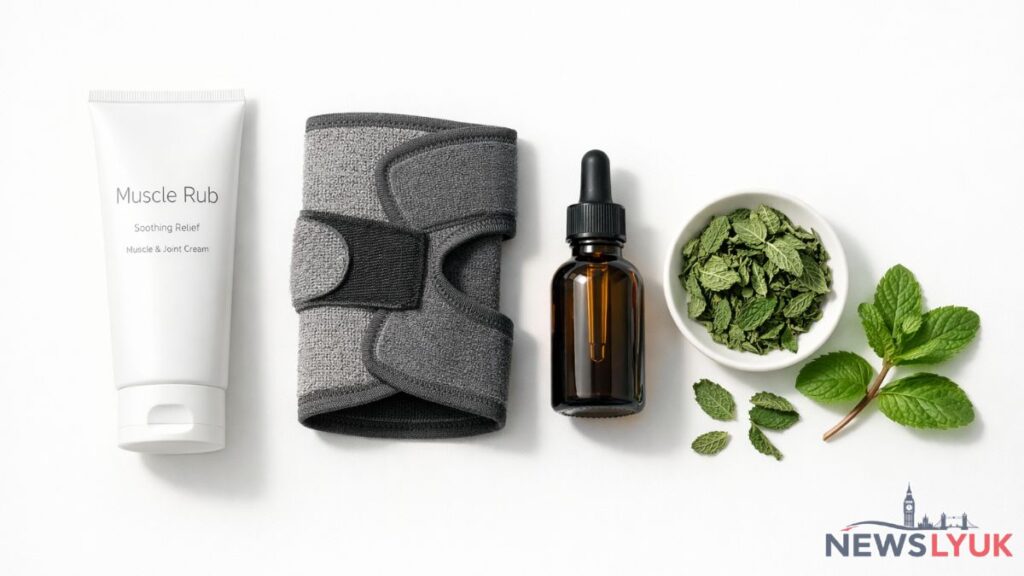

Managing muscle soreness, joint stiffness, and minor aches requires a reliable, targeted strategy to regain full mobility. For decades, millions of active individuals, professional athletes, and people living with chronic tension have relied on local thermal therapy. Deep Heat remains a prominent, widely trusted brand in the topical pain relief market. It offers a variety of over-the-counter products designed to deliver rapid, localized comfort right where it hurts.
Unlike systemic oral pain medications that must pass through your digestive track and circulate via the bloodstream, topical treatments work locally. They target pain directly through the skin layers. This local approach provides rapid relief without the typical systemic side effects associated with oral non-steroidal anti-inflammatory drugs (NSAIDs), such as stomach upset, ulcers, or digestive strain.
Understanding how to use these heat-generating topical options correctly makes all the difference in your recovery. Knowing when to apply thermal therapy versus when to choose cryotherapy (ice) can prevent accidental inflammation. This guide covers everything you need to know about these products, exploring the underlying science, practical application steps, and key safety precautions to help you move freely and pain-free.
What Is Deep Heat and How Does It Work?
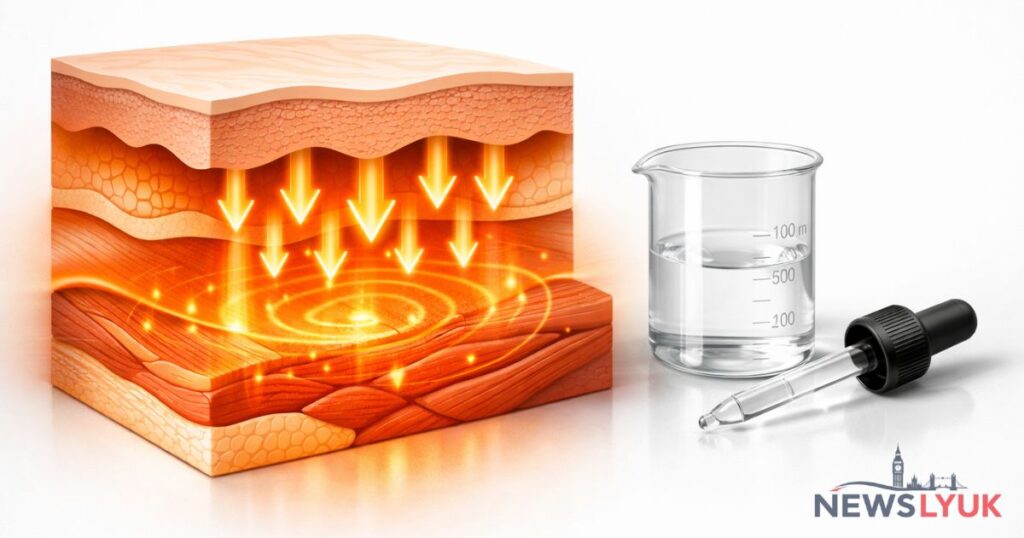
Deep Heat is a well-established line of topical analgesic products available as creams, sprays, and adhesive heat patches. It is designed to soothe musculoskeletal pain, alleviate lower back strains, relieve minor arthritic discomfort, and warm up stiff muscles before physical activity. The core therapeutic value lies in its status as a “rubefacient”—a substance that causes redness of the skin by widening the local capillaries and increasing blood flow.
The underlying mechanism of action relies on a clever biological trick called counter-irritation. When you experience a muscle spasm or a dull ache in a joint, pain signals travel along specific sensory nerve fibers to your spinal cord and up to your brain. Applying a counter-irritant introduces a new, mild, controlled sensory stimulus to the surface of the skin. This new sensation effectively competes with the deep muscle pain signals.
The biological process works directly via specialized sensory receptors embedded within the dermis:
- TRPM8 Activation: Menthol, a key active cooling agent, selectively triggers the transient receptor potential melastatin-8 (TRPM8) ion channels (Li et al., 2022). This activation sends an immediate, soothing signal of innocuous coolness to the central nervous system, helping to dull mechanical hyperalgesia (Li et al., 2022).
- Vascular Dilation: At the same time, rubefacient ingredients like methyl salicylate penetrate local tissue boundaries (Ali, 2022). This process prompts endothelial cells to dilate local capillaries, expanding vascular pathways (Silva, 2020).
- The “Gate Control” Shift: This sudden combination of increased blood volume and sensory input overrides the original ache. According to the gate control theory of pain management, the rapid nerve signals generated by the surface skin sensation travel faster than the slow pain signals from deep muscle tissues. This process closes the neurological “gate” in the spinal cord, blocking the original ache from registering at full intensity.
The Core Product Formulations
The brand offers several distinct application methods tailored to different types of recovery, lifestyle demands, and pain scenarios. Choosing the right option ensures the formula fits perfectly into your daily routine.
Pain Relief Creams
The classic cream is a thick, highly absorbable emulsion designed for direct massage into a targeted area. It contains a concentrated blend of methyl salicylate and menthol. The physical action of massaging the cream into the skin provides two distinct benefits. First, it ensures deep absorption of the active ingredients through the stratum corneum. Second, the friction of the massage helps manually loosen tight muscle fibers and stimulate lymphatic drainage.
Fast-Acting Sprays
The spray formulation offers an excellent touch-free solution for hard-to-reach areas like the shoulder blades, upper spine, or hamstrings. It evaporates rapidly on the skin, delivering an immediate rush of thermal counter-irritation. Sprays are a favorite among athletes because they allow quick application on the field or in the gym without leaving oily residue on the hands, ensuring your grip remains secure.
Adhesive Heat Patches
For prolonged, steady relief, adhesive heat patches provide an excellent alternative. Unlike creams or sprays, these patches do not use chemical counter-irritants to mimic warmth. Instead, they contain real iron powder that reacts with ambient oxygen once the package is opened. This chemical oxidation creates stable, real physical heat radiating at roughly 40°C (104°F) for up to eight straight hours. This continuous, low-level heat is perfect for keeping chronic lower back tension or desk-induced neck stiffness at bay all day long.
The Key Active Ingredients and Their Benefits
The effective performance of these topical formulations stems from a precise combination of active ingredients. Each component targets a unique pathway within the skin and circulatory systems.
+-------------------+----------------------------+------------------------------------------+
| Active Ingredient | Primary Action             | Key Therapeutic Benefit                  |
+-------------------+----------------------------+------------------------------------------+
| Methyl Salicylate | Rubefacient & Analgesic    | Dilates capillaries, boosts blood flow,  |
|                   |                            | and dampens local inflammatory markers.  |
+-------------------+----------------------------+------------------------------------------+
| Menthol           | TRPM8 Channel Activator    | Triggers a soothing cooling effect that  |
|                   |                            | disrupts and overrides pain signals.     |
+-------------------+----------------------------+------------------------------------------+
| Iron Powder       | Thermal Oxidation          | Generates continuous, real physical heat |
| (In Patches Only) |                            | to soothe deep, chronic muscle stiffness. |
+-------------------+----------------------------+------------------------------------------+
1. Methyl Salicylate
Derived naturally from wintergreen or created synthetically, methyl salicylate acts as an effective topical pain reliever (Ali, 2022). Once absorbed into the skin, it helps soothe localized soreness. Its primary function is to dilate surface blood vessels, increasing blood volume to the affected area. This boost in circulation delivers fresh oxygen and vital nutrients to fatigued, toxic muscle cells while accelerating the removal of painful metabolic byproducts like lactic acid.
2. Menthol
Menthol acts as a counter-irritant by stimulating the skin’s cold-sensing nerve endings (Pergolizzi et al., 2018). This action creates a cooling sensation that quickly turns into a deep, comforting warmth as local blood circulation increases. Additionally, menthol acts as a natural penetration enhancer. It temporarily alters the lipid structure of the skin’s outer layer, allowing other active pain-relieving ingredients to absorb more deeply and efficiently.
The Benefits of Target Thermal Therapy
Using local thermal options like Deep Heat offers several distinct advantages over oral painkillers. These benefits make it a valuable addition to any home first-aid kit or athletic training bag.
- Avoids Systemic Medication Side Effects: Oral NSAIDs can irritate the stomach lining, cause digestive distress, and put extra strain on the kidneys when used frequently. Topical therapy delivers active ingredients directly through the skin, avoiding the digestive tract entirely and keeping systemic absorption to an absolute minimum.
- Rapid Onset of Local Comfort: Oral tablets often take 30 to 60 minutes to dissolve, enter the bloodstream, and provide relief. A topical counter-irritant spray or cream begins working within minutes of contact with the skin, delivering fast, targeted comfort right where you need it most.
- Breaks the Pain-Spasm Cycle: When a muscle is injured or overworked, it naturally tightens to protect the area. This contraction restricts local blood flow, causing ischemic pain that triggers even more intense spasms. Local thermal therapy dilates blood vessels, flooding the tissue with fresh circulation to relax the muscle fibers and break this painful cycle.
- Convenient and Targeted Pre-Workout Warm-Ups: Applying a rubefacient cream to old injuries or notoriously stiff joints before exercise helps warm up the tissues. It stimulates blood flow and increases flexibility, making it an excellent addition to your dynamic pre-workout stretching routine.
Step-by-Step Guide: How to Safely Apply Deep Heat Creams and Sprays
To get the absolute best results while avoiding accidental skin irritation or painful burns, it is essential to follow a careful, methodical application routine.
Step 1: Inspect the Target Skin Area
Before applying any product, carefully inspect the skin over the aching muscle or joint. The area must be completely intact, healthy, and free from any small cuts, minor scratches, open wounds, or active rashes.
Critical Safety Warning: Never apply chemical counter-irritants to broken or raw skin. Doing so allows the formula to penetrate too deeply and enter the bloodstream too quickly, causing intense burning, severe chemical irritation, or systemic toxicity.
Step 2: Wash and Dry Your Skin Thoroughly
Clean the targeted area gently with mild soap and warm water, then pat it completely dry with a clean towel. Removing excess sweat, body oils, or leftover lotions ensures the formula can absorb evenly across the skin. Avoid using boiling hot water right before application, as open pores can make the heating sensation uncomfortably intense.
Step 3: Perform a Quick Patch Test
If you are using a specific formula for the very first time, perform a quick spot check. Apply a tiny, pea-sized drop of cream or a single short burst of spray to a small, unaffected area of skin, such as your outer forearm. Wait 15 to 20 minutes to monitor how your skin reacts. If you experience severe redness, blistering, or an intense burning sensation, wash the product off immediately and discontinue use.
Step 4: Apply a Thin, Even Layer
Squeeze a small, nickel-sized amount of cream onto your fingertips or position the spray nozzle roughly six inches away from the target area. Massage the cream gently into the skin using smooth, circular motions until it is completely absorbed, or apply a single, uniform layer of spray across the area.
   [Step 1: Check Skin] ──► [Step 2: Wash & Dry] ──► [Step 3: Patch Test]
                                                             │
   [Step 6: Let it Air-Dry] ◄── [Step 5: Wash Hands] ◄── [Step 4: Apply Thin Layer]
Step 5: Clean Your Hands Immediately
As soon as you finish applying the product, wash your hands thoroughly with cold water and soap. If you leave tracking amounts of methyl salicylate or menthol on your fingers, you risk accidentally transferring those powerful counter-irritants to highly sensitive areas, such as your eyes, nose, mouth, or groin.
Step 6: Let the Skin Air-Dry Completely
Allow the treated skin area to air-dry completely for a few minutes before pulling tight clothing back over it. Do not wrap the area tightly with plastic film, cohesive compression bandages, or tight elastic supports. Restricting airflow traps the volatile ingredients against the skin, which can rapidly accelerate absorption and cause painful chemical burns or blistering.
Real-World Scenarios and Practical Use Cases
To highlight how to integrate local thermal therapy into your daily life safely and effectively, let’s look at three common, real-world examples.
Scenario A: Managing Office-Worker Neck and Shoulder Tension
Imagine an office professional who sits at a computer desk for nine hours a day, eventually developing a dull, burning ache across their upper back and shoulder blades.
- The Right Approach: Applying an adhesive heat patch directly over the lower neck or upper back before starting work provides excellent relief. The air-activated patch generates gentle, physical heat that lasts for up to eight hours. This continuous warmth relaxes tight muscles and keeps blood flowing freely without releasing strong medicinal odors in a shared office environment.
Scenario B: Pre-Workout Prep for an Ambitious Runner
Consider a recreational runner training for a race who frequently deals with stubborn morning stiffness in their calves and Achilles tendons, especially during chilly winter training sessions.
- The Right Approach: Ten minutes before starting a dynamic warm-up routine, the runner rubs a thin, even layer of pain relief cream directly onto the calf muscles. The rubefacient effect dilates local blood vessels, warming up the cold tissues and increasing flexibility. This simple addition helps prepare the muscles for the physical strain of running, reducing the risk of early-workout cramps or strains.
Scenario C: Post-Moving Day Lower Back Muscular Strain
Think of someone who spends an entire weekend lifting heavy cardboard boxes while moving into a new home, waking up on Monday morning with a stiff, aching lower back due to acute muscle fatigue. High-performance athletes face similar challenges; for instance, managing severe back pain and stiffness during professional sports injury recovery requires a dedicated daily rehabilitation strategy. For quick relief at home, applying a light layer of fast-acting spray across the lower back can make a massive difference.
- The Right Approach: After making sure the skin is clear and dry, they apply a light layer of fast-acting spray across the lower back. The combination of menthol and methyl salicylate creates a powerful counter-irritant effect that overrides the deep, throbbing back pain. This quick relief makes it much easier to bend, stretch, and go about their daily tasks comfortably.
Common Mistakes to Avoid When Using Deep Heat
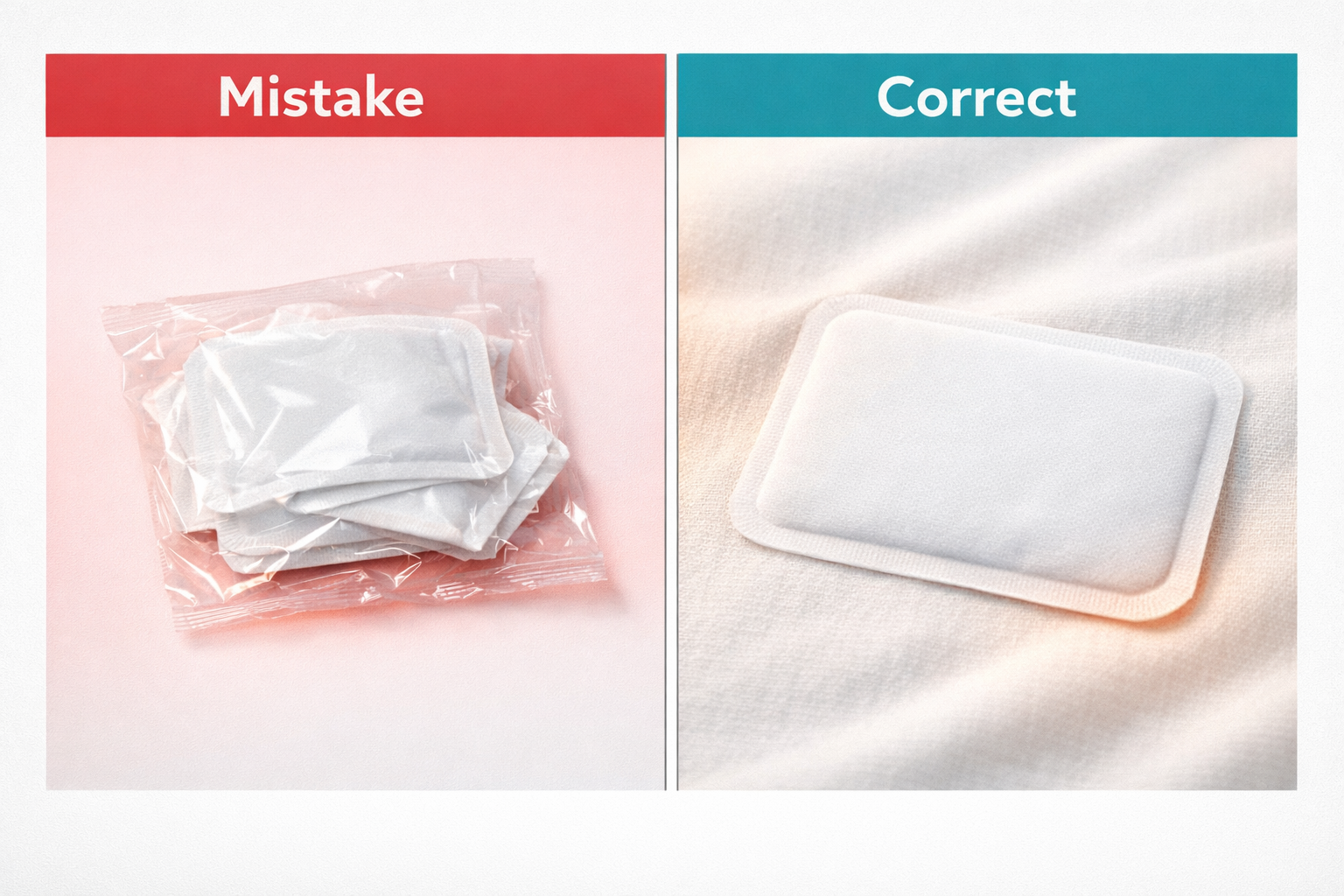
Even though topical thermal products are highly effective and widely available over the counter, using them incorrectly can easily lead to severe skin irritation, painful chemical burns, or reduced therapeutic benefits.
- Applying Heat to an Acute, Swollen Injury: Putting a heat-generating product on a fresh sprain, swollen ankle, or badly bruised muscle within the first 48 hours is a major mistake. Acute injuries involve ruptured capillaries and active internal bleeding. Applying a rubefacient dilates those blood vessels further, increasing swelling and inflammation. Use ice for fresh injuries, and save heat for chronic pain or later stage recovery.
- Combining Topical Creams with Heating Pads: Never apply a counter-irritant cream or spray and then place an electric heating pad or hot water bottle directly on top of it. The external heat forces the skin to absorb the active chemical ingredients at an unsafely rapid rate. This combination can easily cause severe chemical burns, deep tissue blistering, or systemic salicylate poisoning.
- Applying Right After a Hot Shower or Bath: Using a heat-generating cream immediately after stepping out of a hot shower, steam room, or sauna can cause intense, painful burning. Hot water opens up pores and boosts surface blood circulation across the entire body. Applying a counter-irritant to wide-open pores causes the product to absorb too quickly, creating an overwhelming, uncomfortably intense heat sensation.
- Using Tight Occlusive Bandages: Wrapping a treated area tightly with plastic wrap or heavy plastic bandages traps volatile counter-irritants against the skin and prevents them from evaporating naturally. This trapped moisture quickly leads to severe skin irritation, painful blistering, or chemical burns. Stick to loose, breathable clothing over the treated area.
- Accidental Contact with Sensitive Mucous Membranes: Forgetting to wash your hands immediately after applying a cream or spray is a recipe for trouble. Accidentally rubbing your eyes, touching your nose, or using the restroom with traces of menthol or methyl salicylate on your fingers will cause immediate, intense burning and severe irritation.
Expert Tips for Maximum Relief and Safety
Follow these professional recommendations to get the absolute most out of your topical pain relief routine while keeping safety a top priority.
- Keep a Strict 48-Hour Window for New Injuries: Always remember the golden rule of sports medicine: use ice for new injuries, and save heat for older aches. For sudden injuries like an ankle sprain or a sudden muscle tear, stick to ice packs for the first 48 hours to constrict blood vessels and control swelling. Switch to local thermal therapy after 48 hours to boost blood flow and accelerate healing.
- Be Mindful of Aspirin Allergies: Because methyl salicylate belongs to the exact same chemical family as aspirin, anyone with a known allergy to aspirin or systemic salicylates must avoid creams or sprays containing this ingredient. For a safer alternative, opt for non-medicated, air-activated heat patches to enjoy soothing physical heat without any chemical exposure.
- Keep Your Application Layers Thin: When it comes to powerful counter-irritant creams, using more product does not mean you get faster relief. Applying a thick layer does not speed up recovery; it simply sits on top of your skin, increasing the risk of severe irritation and making it harder to wash off. A thin, well-massaged layer is all you need.
- Cool the Area Down If It Burns Too Much: If the heating sensation becomes uncomfortably intense after application, do not try to wash it off with hot, soapy water, which will open your pores and make the burning worse. Instead, take a clean cloth soaked in cool water or a mild vegetable oil (like olive or canola oil) and gently wipe the area down. The oil helps dissolve the lipophilic counter-irritants, safely lifting them away from the skin.
Summary of Safe Usage Guidelines
To ensure a consistently safe and effective experience, keep these essential practices in mind every time you use a topical heat product:
- Check the Skin: Apply only to completely healthy, unbroken skin that is free of cuts, scratches, or rashes.
- Keep it Breathable: Leave the treated area uncovered or wear loose, breathable clothing; never use tight wraps or plastic bandages.
- Never Mix Heat Sources: Keep creams and sprays completely separate from electric heating pads or hot water bottles.
- Wash Hands Immediately: Clean your hands thoroughly with soap and cool water right after application to protect your eyes and face.
- Know When to Cool: Stick to ice for the first 48 hours of an acute injury to keep swelling down; use heat for ongoing stiffness and chronic muscle tension.
Conclusion
When used correctly, Deep Heat is an exceptionally effective, reliable tool for managing muscle stiffness, lower back tension, and chronic joint aches. By utilizing the biological process of counter-irritation, these targeted topical formulations increase local blood flow, relax tight muscle tissues, and quickly override pain signals without the digestive risks of oral medications.
However, achieving safe and effective relief requires a careful, respectful approach. Always remember to check your skin before application, avoid using external heating pads over creams, and keep a close eye on the 48-hour window for fresh injuries. By avoiding common mistakes and following these practical steps, you can safely harness the power of targeted thermal therapy to soothe your aches, restore your mobility, and get back to moving comfortably every day.
Frequently Asked Questions (FAQs)
Can I use Deep Heat while pregnant?
It is always best to speak directly with your doctor or healthcare provider before using any medicated topical products during pregnancy. Many heating creams and sprays contain methyl salicylate, which is absorbed through the skin and belongs to the aspirin family. During the later stages of pregnancy, systemic absorption of salicylates should be strictly limited. If you are looking for a non-medicated way to soothe back tension, air-activated heat patches offer a great alternative since they provide real physical heat without any chemical ingredients.
Why does the treated area turn so red after application?
The redness is a completely normal, healthy side effect of the active rubefacient ingredients, such as methyl salicylate. These compounds cause the tiny blood vessels and capillaries right beneath the skin to widen, or dilate. This expansion causes a temporary surge of fresh, warm blood to rush to the targeted area, which naturally creates a bright red flush on the surface of your skin. This increased blood flow is exactly what helps soothe tight muscles and wash away built-up metabolic waste.
How many times a day can I safely apply the cream?
As a general rule, you can apply the pain relief cream a maximum of 2 to 3 times throughout the day. Make sure to space out your applications evenly, leaving several hours between each use to give your skin plenty of time to breathe and recover. If your muscle aches or joint pains continue for more than 7 straight days, or if they start getting worse despite treatment, stop using the product and schedule a visit with a doctor to check for a more serious injury.
Can I apply a heating cream right before hopping into a hot tub?
No, you should never apply a counter-irritant cream or spray right before using a hot tub, taking a hot bath, or sitting in a sauna. The high temperatures and circulating water will dramatically open up your pores and increase surface blood circulation. If you have a heating product on your skin, this combination causes the active ingredients to absorb far too quickly, leading to an overwhelming, painfully intense burning sensation or severe skin blistering.
What is the main difference between the creams and the patches?
The primary difference comes down to how they generate relief: chemical action versus real physical heat. The classic creams and sprays use active chemical ingredients like menthol and methyl salicylate to trigger sensory receptors and mimic a warming sensation on the skin. On the other hand, the adhesive heat patches contain no chemical medicines at all. Instead, they use air-activated iron powder to generate real, steady physical heat that radiates directly into your muscles for up to 8 hours.
You may also read our previous news: Is It Next Year 2027? Here’s What the Calendar Actually Says